
The Thrill of Risk and Reward
The allure of casino games primarily stems from the intrinsic excitement associated with risk and reward. Players are often drawn to the thrill of risking their money in hopes of gaining more, which triggers a rush of adrenaline. This psychological response is amplified by the instant gratification found in games like slots or dice, where outcomes are both rapid and unpredictable. Many enthusiasts seek a secure online casino with fast withdrawal options to enhance their experience while enjoying the euphoric highs of gambling. As the player places their bets, their brain releases dopamine—often referred to as the “feel-good” neurotransmitter—creating a euphoric experience that reinforces their gambling behavior.
Furthermore, the potential for a high reward fuels the excitement. Studies have shown that individuals are more willing to take risks when they perceive a chance for substantial gain. Casinos are designed to maximize this appeal, employing bright colors, engaging sounds, and even the layout of the space to create an environment that heightens emotional responses. The anticipation of a win can become intoxicating, leading players to continue playing longer than they originally intended, fueled by this psychological high.
Interestingly, this behavior serves a dual purpose—it not only provides immediate gratification but also plays into a player’s long-term motivations. Players often fantasize about hitting the jackpot, which can serve as a form of escapism from daily life. This aspect is especially potent for those seeking a break from stress or boredom, as the casino becomes a venue not just for entertainment, but for emotional respite. The dynamic experience of risk and reward thus forms a fundamental pillar of gambling psychology, driving players back to the casino time and again.
The Role of Cognitive Biases
Cognitive biases significantly influence how players perceive their chances of winning in casino games. One of the most prevalent biases is the gambler’s fallacy, which is the belief that past outcomes will affect future events. For instance, a player may believe that after a series of losses at a roulette table, a win is “due” to happen soon. This misconception can lead players to make increasingly risky bets, driven by overconfidence and an erroneous understanding of probability. Casinos capitalize on this bias by maintaining an atmosphere that encourages continued play.
Additionally, players often fall prey to the illusion of control, where they believe they can influence the outcome of a game through their actions, even in games of pure chance like slots. This belief can lead to compulsive betting, as players may think that their strategies or personal rituals can sway the results in their favor. Such cognitive biases not only affect individual wagering behavior but also contribute to the broader culture of gambling.
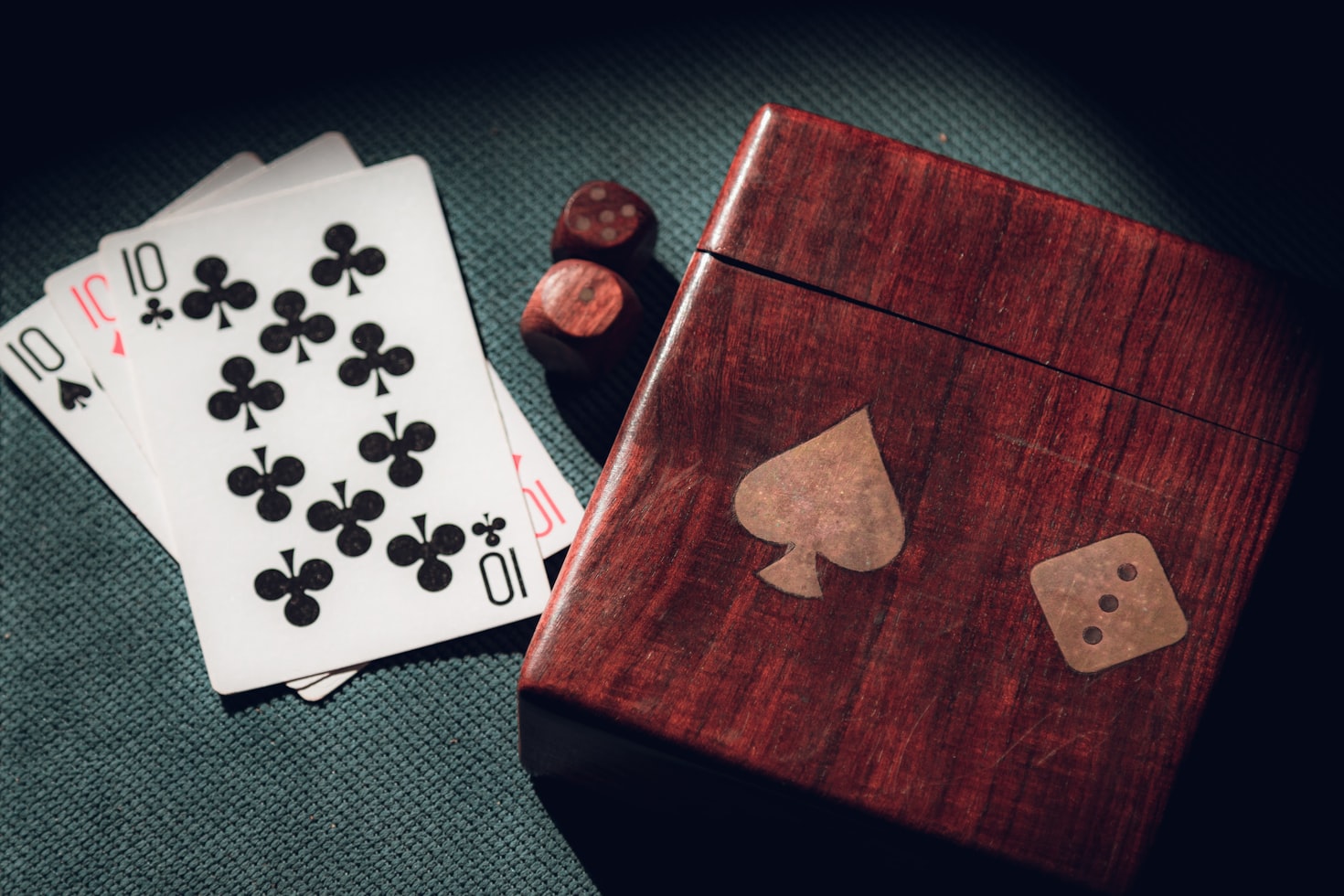
Moreover, the framing effect can alter decision-making processes. This cognitive bias occurs when players react differently depending on how information is presented. For example, a game offering a “70% chance of winning” sounds more appealing than one with a “30% chance of losing,” despite them reflecting the same probabilities. This nuance in human psychology underscores the marketing strategies used by casinos to attract players, ultimately driving engagement through cleverly crafted messaging that exploits cognitive biases.
The Social Aspects of Gambling
The social environment of casinos plays a critical role in shaping the gambling experience. Many players are drawn to the collective atmosphere of excitement and camaraderie that characterizes casino settings. Engaging with other players can create a sense of community, often resulting in shared experiences that enhance enjoyment. Whether it’s cheering for a winning outcome at the blackjack table or celebrating a jackpot shared among friends, the social dynamics contribute significantly to the overall allure of gambling.
Furthermore, the presence of friends or fellow gamblers can create an environment where players feel more empowered to take risks. This social facilitation effect can lead individuals to gamble more than they might alone, as the collective excitement and encouragement from others can override personal inhibitions. This phenomenon is particularly evident in group activities like poker tournaments or group outings to casinos, where social validation often encourages greater spending and risk-taking.
Additionally, many casinos implement loyalty programs that reward social interaction, further enhancing the collaborative environment. These programs often encourage players to return, leveraging their social connections as a powerful marketing strategy. Players often feel a sense of belonging to a larger community, which not only reinforces habitual gambling behaviors but also nurtures an identity that intertwines with their leisure activities. Such social connections underscore the multifaceted nature of gambling psychology, where interpersonal dynamics significantly shape individual experiences.
Marketing Strategies in the Casino Industry
Marketing strategies employed by casinos are designed to cater to the psychological tendencies of gamblers. One common tactic is the use of near-misses, particularly in games like slots, where the outcome can be close to a winning combination. This phenomenon can elicit strong emotional responses and encourages players to continue gambling, as they are motivated by the thrill of being “so close” to winning. Casinos leverage this by designing games that frequently generate these near-miss results, thereby prolonging playtime.

Moreover, promotional tactics such as free spins, discount meals, and complimentary drinks create an environment that feels exclusive and rewarding. These incentives play into the psychology of reciprocity, where players feel compelled to return the favor by engaging in more gambling. The process of making small investments through these promotions lowers the perceived barriers to entry, encouraging players to experience the thrill without committing significant funds initially, which can often lead to more gambling.
Additionally, casinos employ psychological triggers through visual and auditory stimuli. The vibrant lights, sounds of coins falling, and frequent announcements of winners create an environment that feels dynamic and alive. This sensory overload can activate emotional responses, amplifying excitement and making the gambling experience more memorable. These marketing strategies illustrate a profound understanding of human psychology, as they manipulate emotional and cognitive responses to enhance player engagement and loyalty.
Exploring More on Gambling Psychology
To delve deeper into the fascinating world of gambling psychology, it’s crucial to explore the intricate dynamics at play within casinos. The blend of thrill, cognitive biases, social interactions, and marketing strategies creates a complex web that keeps players engaged. Understanding these psychological elements not only enriches the gambling experience but also helps individuals make informed choices about their gaming habits. Many resources and articles are available online that discuss these aspects in detail.
Furthermore, individuals seeking to understand their own gambling behaviors can benefit from educational platforms that provide insights into responsible gambling practices. Websites dedicated to gambling education often curate research findings, expert opinions, and personal experiences to illuminate the psychological influences of gaming. By engaging with these resources, players can better comprehend their motivations, emotional triggers, and how to maintain a healthy relationship with gambling.
In conclusion, the psychology behind casino games is a multifaceted subject that offers valuable insights into human behavior. Engaging with reputable websites and resources can enhance individuals’ understanding of the psychological mechanics of gambling, helping them to navigate their experiences more wisely. By fostering awareness and knowledge, players can enjoy the thrill of casino games while managing their emotional and financial well-being effectively.
